Has Your Vision Changed? 7 Signs to Watch for as School Starts Again
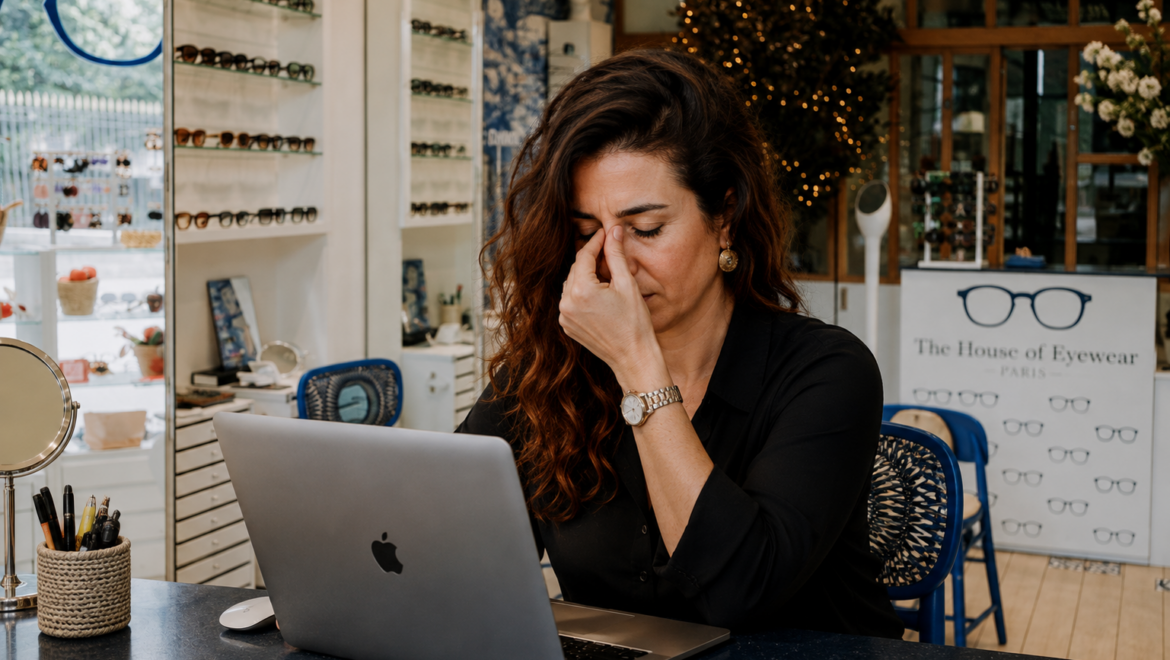
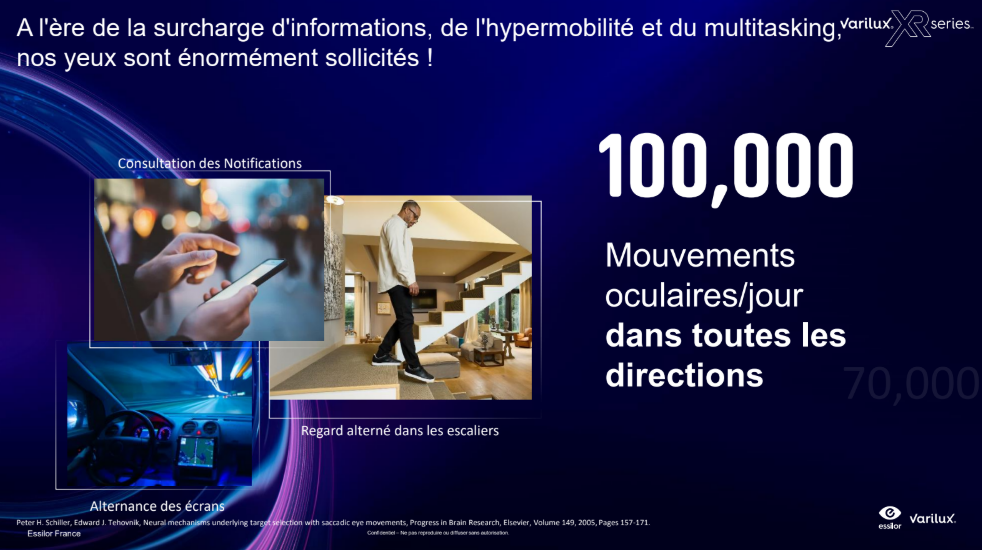
The start of the school year is approaching. We’re getting back to our computers, workdays are getting longer, and screens are once again taking up a significant part of our daily lives.
It is also often during this time that people notice small changes in their vision.
Tired eyes at the end of the day, trouble reading small print, needing to hold your phone farther away, or blurred distance vision: some of these signs may simply indicate that your prescription has changed.
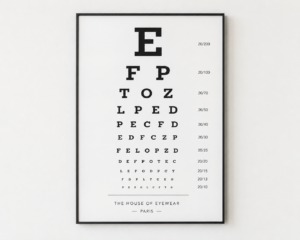
At The House of Eyewear, an optician in Paris’s 1st arrondissement, we often use the start of the school year as an opportunity to remind people of one essential fact: seeing clearly isn’t just about being able to read the last letters on an eye chart. Visual comfort is just as important.
So, how can you tell if your vision has changed? Here are 7 signs to watch for as the school year begins.
1. Your eyes get more tired when looking at screens
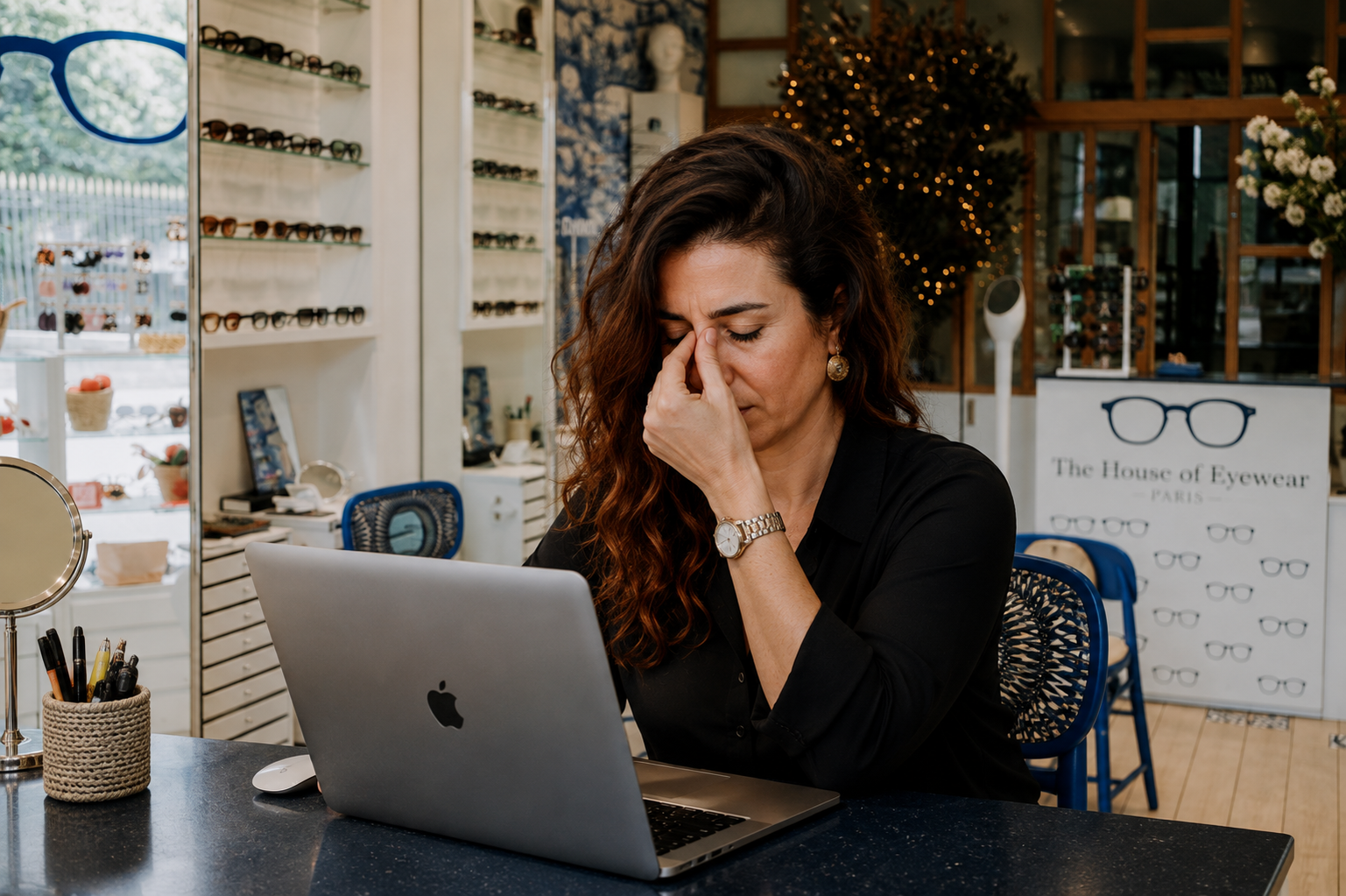
Do you end your day with heavy eyes or a feeling of discomfort? Does using your computer seem more tiring than it used to?
Returning to a fast pace may reveal that a correction is no longer appropriate. Long periods of close-up work also place a heavy strain on our visual system.
Before blaming screens alone, it may therefore be a good idea to have your eyes checked.
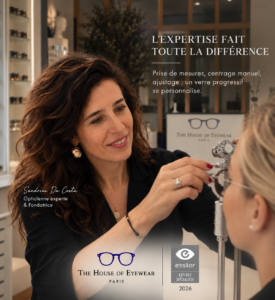
At The House of Eyewear, we also place great importance on the choice of lenses. In particular, we work with Essilor to offer solutions tailored to each wearer’s visual needs and daily habits.
2. You get headaches more often toward the end of the day
A headache can have many causes. However, if it occurs regularly after several hours of reading or working at a computer screen, it’s worth having your vision checked.
A prescription that is too weak, too strong, or has simply become unsuitable may require more visual effort.
Obviously, a diagnosis should not be made based on a single symptom.
However, recurring eye strain accompanied by headaches is a good reason to have your prescription checked.
3. You tend to squint when looking at things from a distance
Does a sign on the street look a little blurry? Are subtitles becoming hard to read? Do you instinctively squint to make out certain details?
This action may temporarily improve image sharpness. However, when it becomes a frequent occurrence, it warrants closer attention.
Changes in nearsightedness or astigmatism can affect your distance vision. A follow-up eye exam will help determine whether your glasses still meet your needs.
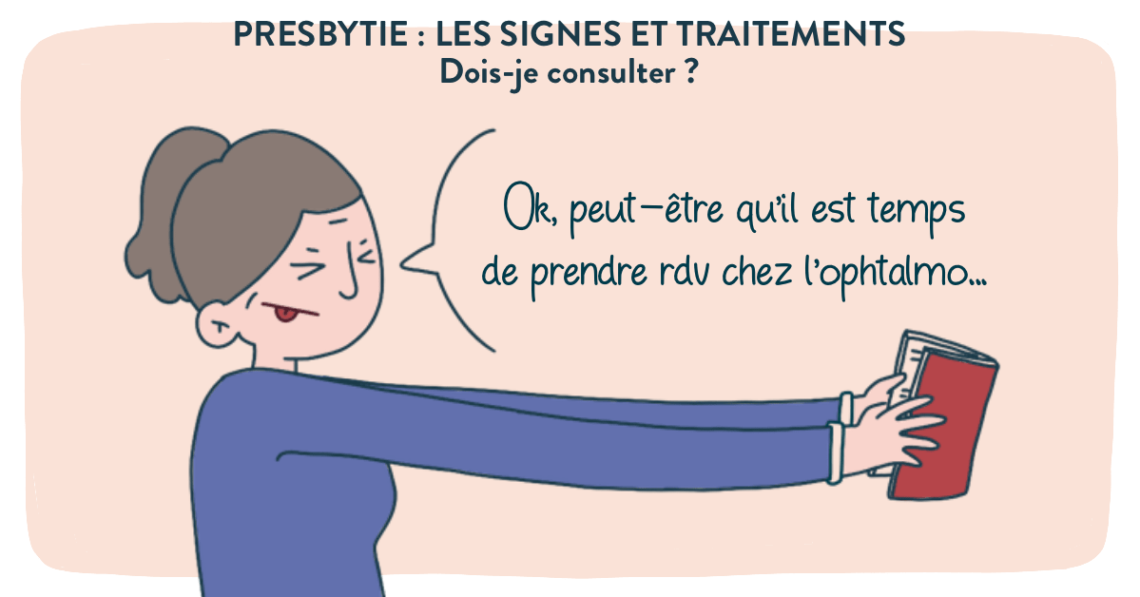
4. You hold your phone farther away to read better
It’s a true classic.
The phone slowly begins to drift away. Then the restaurant menu follows suit. And, little by little, your arms seem to get a little too short.
Presbyopia occurs naturally with age and is characterized by a gradual decline in the eye’s ability to focus on close objects.
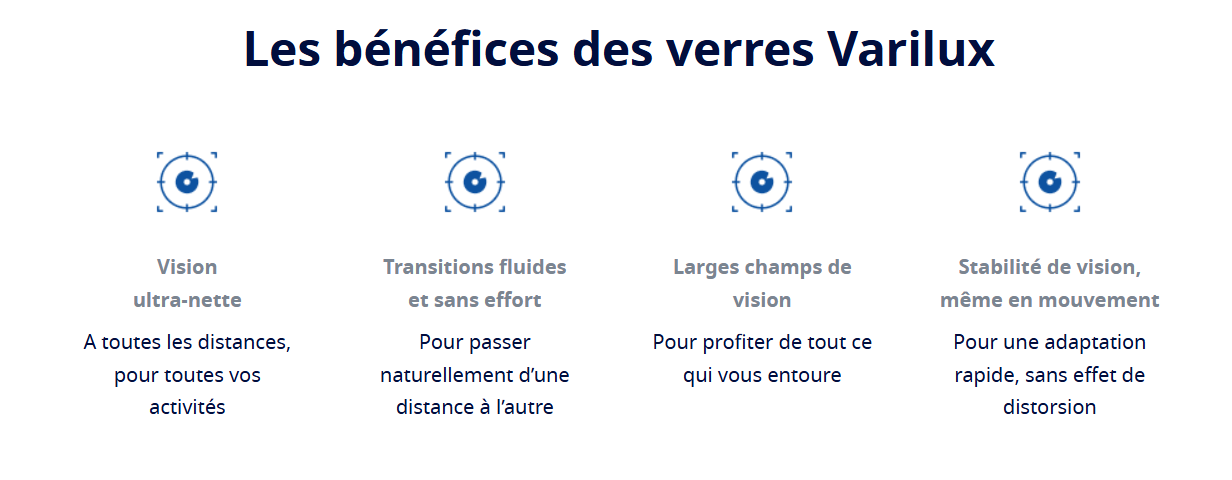
It doesn’t necessarily mean you have to give up your comfort or wear multiple pairs of glasses. Depending on your needs, there are various solutions available, including progressive lenses.
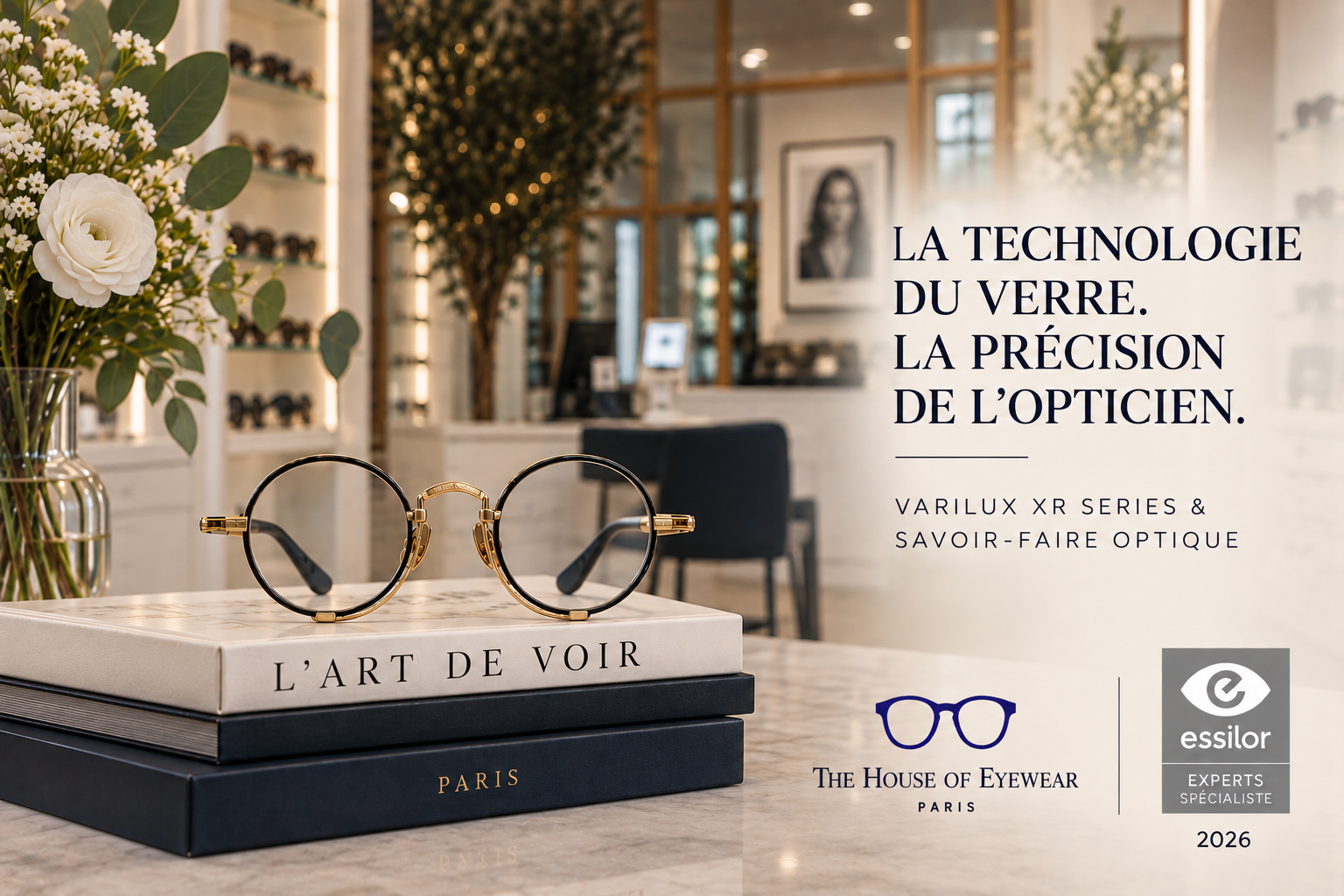
Technology has come a long way. Essilor Varilux progressive lenses, for example, can be customized to meet the wearer’s visual needs.
However, the quality of the lenses isn’t everything: the choice of frames, precise centering, and proper fitting also play a key role in overall comfort.
5. You need more light to read
Do you now turn on an extra lamp to read comfortably? Do you find it harder to make out the fine print when it gets darker?
As we age, our visual needs change. Effective vision correction must therefore take into account not only visual acuity but also daily activities such as reading, using a computer, driving, performing detailed tasks, and seeing at different distances.
That is precisely why eyewear should never be reduced to a mere string of numbers on a prescription.
If you’re not comfortable with your progressive lenses: https://thehouseofeyewear.com/en/why-cant-some-people-stand-their-progressive-lenses/
6. Your vision becomes less clear in the evening or while driving
Driving at night can make certain discomforts more apparent: halos around lights, sensitivity to headlights, the impression that contrasts are less pronounced, or difficulty distinguishing certain details.
The right prescription and high-quality lenses can improve comfort in many situations.
The lens coating also matters. At The House of Eyewear, we carefully select from a range of Essilor solutions and their coatings based on the prescription, the frame, and—most importantly—the wearer’s lifestyle.
So the right glass isn’t necessarily the same for everyone.
7. Your glasses still have the “right prescription”… but you’re less comfortable
This is probably the most misleading sign.
Your vision is fine, but something is bothering you. You push your glasses back further. You try to find a specific position to read in. You feel a tiredness you didn’t have before.
A change in prescription may have occurred gradually without immediately causing noticeably blurred vision.
In addition, comfort also depends on the frame, how well it fits, its position in front of the eyes, and how well the lenses are centered.
At The House of Eyewear, located at 250 Rue de Rivoli in Paris’s 1st arrondissement, we take a holistic approach to eyewear: prescription, lens selection, centering, frames, and fitting.
Can you get your eyes checked at an optician’s?
Optometrist or ophthalmologist: It’s not the same exam
Yes, under certain conditions.
At The House of Eyewear in Paris, we perform refraction exams to monitor changes in your prescription, in accordance with applicable regulations.
Eye exams are by appointment only, so that we can devote the necessary time to you.
Make an appointment: calendly.com/thehouseofeyewearparis/choix-de-lunettes?back=1&month
Please note, however, that having your prescription checked by an optician is not a substitute for medical follow-up by an ophthalmologist.
How long is a prescription for glasses valid?
This is a question our customers ask us very often.
In France, the validity period of a doctor’s prescription for corrective lenses depends on the patient’s age. According to current regulations, it is:
- 1 year for those under 16;
- 5 years, between the ages of 16 and 42;
- 3 years after turning 42.
A prescription written by an orthoptist for corrective lenses, on the other hand, is valid for two years.
When renewing a prescription, the optician may also adjust the prescription following a refraction exam, subject to the conditions set forth in the regulations and unless the prescribing physician expressly objects. The adjustment must then be noted on the prescription.
This is a particularly convenient option when the prescription has changed slightly and the prescription is still valid.
So be sure to keep your eyeglass prescription—it may remain valid for several years. The Health Insurance program also reminds people of the importance of keeping it for its entire period of validity.
This distinction is essential.
An optician can check your refraction—that is, determine the optical correction needed to achieve clear and comfortable vision—within the limits set by regulations.
An ophthalmologist is a doctor who specializes in the eye. Therefore, their examination is not limited to determining your prescription.
In particular, they can examine the health of the eye, measure intraocular pressure, and, when indicated, perform or order additional tests, such as a fundus examination.
That is why regular follow-up visits with an ophthalmologist are still recommended, even when your glasses fit you perfectly. The ideal frequency depends on your age, medical history, risk factors, and your doctor’s recommendations.
“An appointment with an ophthalmologist in Paris? You have to wait three months!”
Not necessarily.
Waiting times vary considerably depending on the practice, the time of year, and the type of appointment. In Paris and the Paris region, it’s therefore always a good idea to check availability before putting off your checkup for several months, assuming that no appointment can be scheduled quickly.
Above all, if you experience a sudden loss of vision, eye pain, sudden flashes of light, blurred vision, an increase in “floaters,” double vision, or any other unusual symptoms, do not wait for a routine eye exam at the optician’s: seek medical attention immediately.

As the school year begins, take a moment to assess your visual comfort
The start of the school year is actually a great time to ask yourself a very simple question: Can I still see as clearly as I used to?
A change in vision isn’t always dramatic. It may start with eye strain while using a computer, holding text farther away, finding night driving less comfortable, or being unable to wear glasses for as long as before.
At The House of Eyewear, an independent optician in Paris’s 1st arrondissement, we check your prescription and help you choose the right frames and lenses based on your actual visual needs.
Single-vision or progressive lenses, Essilor technologies, frame selection, centering, and fitting: every detail matters when it comes to ensuring your eyewear is comfortable for everyday use.
Make an appointment: calendly.com/thehouseofeyewearparis/choix-de-lunettes?back=1&month
FAQ – Eye Exams and Prescriptions for Glasses
Can you get your eyes checked at an optician's in Paris?
Yes. An optician can perform a refraction exam within the parameters set by regulations. At The House of Eyewear in Paris’s 1st arrondissement, exams are conducted by appointment.
Can my optician adjust my prescription?
Within the limits established by law, an optician may adjust a prescription following a refraction exam—particularly when renewing a prescription—unless the prescribing physician expressly objects and subject to applicable regulatory requirements.
How long is a prescription for glasses valid?
For a prescription for corrective eyeglasses, the validity period is currently 1 year for those under 16, 5 years for those between 16 and 42, and 3 years for those over 42.
Does an eye exam at the optician's replace a visit to the ophthalmologist?
No. The optician checks, among other things, refraction and optical correction within the scope of their expertise. The ophthalmologist is a physician and provides medical care for eye health.
Where can I get an eye exam in the 1st arrondissement of Paris?
You can have your prescription checked at The House of Eyewear, an optician in Paris’s 1st arrondissement, located at 250 Rue de Rivoli, near Place de la Concorde. Our eye exams allow us to verify your prescription in accordance with regulatory requirements and are conducted by appointment only.
Schedule an eye exam in Paris’s 1st arrondissement: calendly.com/thehouseofeyewearparis/choix-de-lunettes?back=1&month=2026